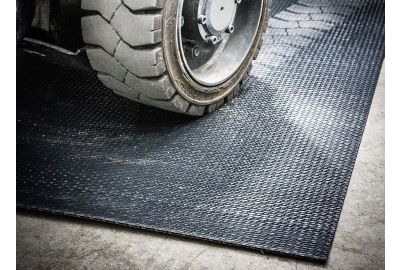
In today’s construction landscape, construction firms are facing mounting pressure to reduce their environmental impact, while also dealing with rising material costs. With sustainability targets tightening, housebuilders must find more efficient ways to reuse equipment and protect surfaces. Reusable protection products, such as PROGUARD® Bufferboard™, offer a practical and cost-effective solution.
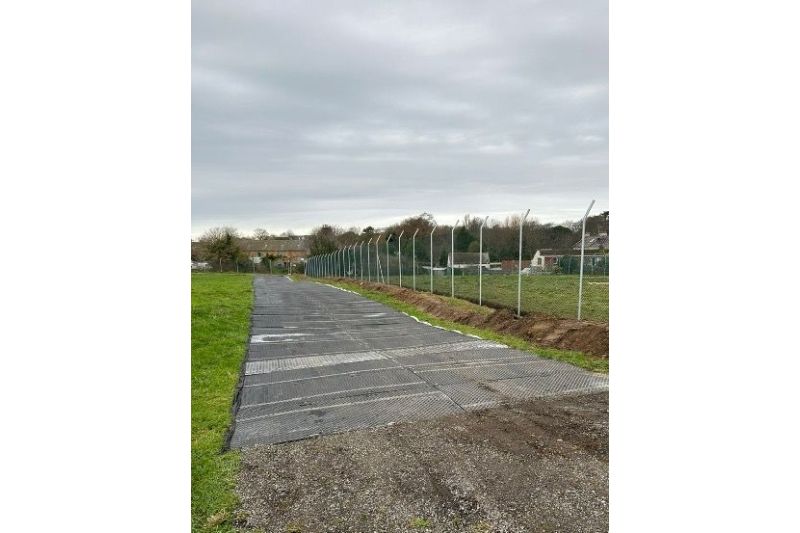
Bufferboards can be used for a variety of jobs, helping to reduce waste on building projects, which is why they are a popular and trusted choice among builders across the UK.
In this guide, we explore how to maximise the benefits of your protection boards, including storage techniques, cleaning methods, and selecting the right products for each stage of your build.
Choose the right protection board
There are many different types of protection board, but not all can be reused across multiple house builds. Choosing the right type from the outset can have a major impact on both longevity and performance.
Before selecting a board for your building project, consider where it will be used. For example, internal floors may require a breathable, cushioned layer to prevent condensation damage, while outdoor or wet areas demand moisture resistance. Always check for thickness, impact strength and water tolerance. Starting with a high-quality, multi-use board ensures you’ll get the maximum number of lifecycles from each sheet.
Bufferboards, for example, are engineered with reuse in mind. They are lightweight, easy to cut, and robust enough to be used multiple times without cracking. Bufferboards are designed for extreme, heavy-duty surface protection, so their reusability level is incredibly high.
Some of the types of protection board, that are available are:
- Bufferboards
- Corrugated plastic sheets
- Foam-backed panels
- Heavy-duty fibre-based options
- Boards made from recycled materials
- Outdoor protection boards with waterproof membranes
· ALSO READ: The benefits of using reusable temporary protection products
How to store protection boards
By storing your protection boards properly, you will extend their life and ultimately get even more use out of them. Once you have used boards on a job, it is essential that you clean them thoroughly by removing dust, plaster, or adhesive residue. By quickly hosing them down or wiping them off and then drying them, it will help prevent boards from being damaged and mould from growing on them.
To properly store protection boards, keep them in a dry, cool place away from direct sunlight and moisture, as this will help prevent warping and damage. If you are storing your protection boards outdoors, use a waterproof cover and ensure the boards are elevated off the ground. For materials like PVC foam boards, consider storing them flat to prevent bending and damage from stacking.
If possible, try to have a storage area on-site where you can store your protection boards and other equipment. With a well-managed storage system in place, construction firms can keep bufferboards and similar products in circulation for multiple jobs, which will help reduce replacement costs and site waste.
Where and when to use recycled protection boards?
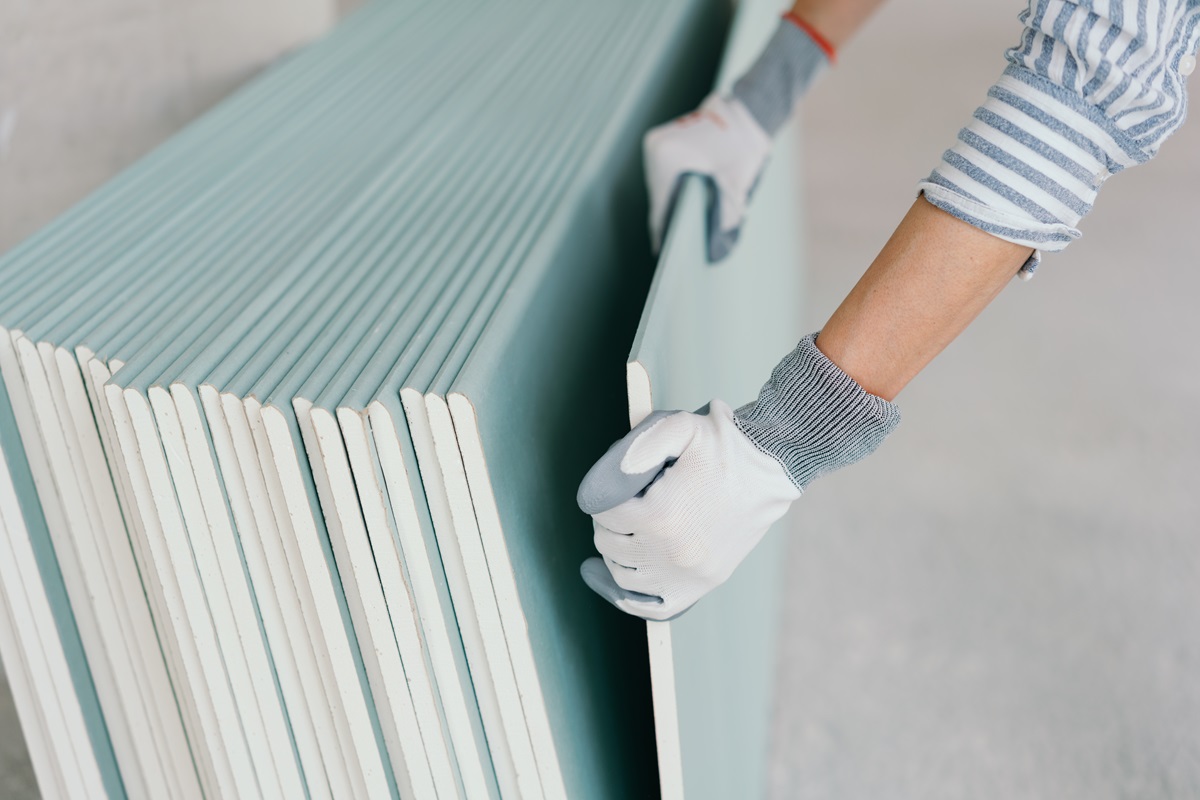
Construction workers want to get the most out of protection boards and reuse them for multiple projects. One of the best ways to maximise their benefits is to place them strategically.
Boards that have already been used multiple times can be redeployed in low-traffic or low-impact zones. If a build is currently in the plastering stage, this is a great time to reuse protection boards. Although this job generates a lot of dust, the physical wear is minimal, making it ideal for older boards.
In contrast, newer boards that have only been reused a few times can be used for flooring or tiling work and are well-suited to protect delicate finishes. Reused bufferboards can be an effective temporary protection solution for installing flooring, such as wood or laminate.
In the UK Building Regulations, there are no laws against using recycled materials, so long as they are fit for purpose. Construction firms are therefore within their rights to reuse products like protection boards if they continue to work effectively.
Below are the different types of jobs where you can use protection boards:
- Protecting surfaces such as floors and walls
- Shielding materials
- Create stable platforms for workers to stand on when painting or plastering
- Creating temporary partitions
ALSO READ: What is the role of recycled temporary protection materials in sustainable construction?
What are the cost savings of reusing protection boards?
One of the major benefits of reusing protection boards across multiple construction projects is the long-term cost savings that can be achieved. Single-use protection boards may be cheaper upfront, but their true cost adds up when they need to be replaced multiple times throughout a project.
For example, reusable products like black Correx protection boards can be used multiple times due to their durability, meaning you won’t have to spend as much on replacement solutions. Products like this and bufferboards will also reduce the amount you need to pay to dispose of single-use items. Reusable protection boards also require less maintenance, further decreasing overall costs.
All of this equates to hundreds of pounds in savings on materials, and even more after factoring in the disposal costs. Beyond the cost-effectiveness of reusable protection boards, they also support sustainability goals for construction projects, aligning with environmental certifications and reducing landfill waste.
With many suppliers, including us here at Beck, offering next-day delivery building projects can stay on track, and you can fill gaps in stock immediately, making it easy to mix new reusable boards with older reused ones.
Frequently Asked Questions about reusable and recycled protection boards
Can protection boards be reused across multiple house builds?
Yes, protection boards can be reused across multiple construction projects, provided they are durable, moisture-resistant, and properly maintained.
How do you clean and store protection boards for future use?
Start by removing any loose debris with a brush or cloth, then wash the board with a suitable cleaning product, such as soapy water. Protection boards made from wood should not be cleaned with excessive water, and they must be dried before storage. Protection boards should be stored in a cool, dry place, away from direct sunlight, and elevated off the ground if stored outside.
How durable are recycled protection boards?
Recycled protection boards are designed to be durable and offer robust protection for various surfaces. They can be reused for multiple projects.
Do reused boards meet UK Building Regulations?
Yes, reused protection boards meet UK Building Regulations, provided they do not compromise the safety of the builder.
Reusing protection boards on construction sites
Reusing protection boards, such as bufferboards, will help reduce costs on materials, waste, and the environmental impact.
With proper planning, cleaning, and storage, these products can deliver excellent value over multiple projects, transforming what was once seen as disposable into a long-term asset.
For reliable, reusable surface protection, explore our range of temporary protection products. Browse our range of products, which includes Corex floor protection, or get in touch with any questions about them.
For more tips, guides, and advice, visit our news page.