

Listed buildings are an important part of local heritage and, as a result, keeping them well maintained and carrying out repairs is important. However, due to their historic nature, carrying out work on a listed building isn’t as straightforward as with most buildings. In this guide, we explain what listed buildings are, the rules for any repairs and maintenance, and how best to protect them during the process.
What is a listed building?
A listed building is a structure of architectural and historical interest that is considered important enough to protect. These buildings are included on a statutory list compiled by the Secretary of State for Culture so that they can be protected, preserving our architectural heritage in the process. A listed building benefits from a range of protections that occur during the planning process of any building works, repairs, and renovations. A listed building can be anything from a beautiful country house to a historic parish church.
How are listed buildings protected?
Listed building protection takes place during the planning process of any repairs, renovations, and alterations, in order to make sure that the building retains its historic value. The responsibility for the care of listed buildings is with the owner and as they are of a historic nature, looking after them can be very expensive. If a listed building is not being properly maintained, the local planning authority can even compulsorily purchase the property after issuing a notice.
Listed building repairs

Caring for a listed building is very important in order to keep it in good working order all of its features and systems and provide protection from adverse conditions. As a result, repairs will naturally need to be carried out at certain points, this is when listed building protection kicks in.
Historic England explains that: “The extent of the repair should normally be limited to what is reasonably necessary to make failing elements sound and capable of continuing to fulfil their intended functions.”
They also state that while there is “no direct legal obligation on the owner of a heritage asset to carry out repairs”, the local planning authority can step in and make the changes themselves if the works are urgently needed for its preservation. “If the works are not carried out by the owner, the authority has the power to enter the property, carry out the works and seek to recover the costs from the owner.”
As a result, owners of listed buildings should carry out inspections regularly to ensure all necessary repairs and maintenance are completed. Owners can find important guidance on listed building repairs via Historic England’s Practical Building Conservation Series.
What is listed building consent?
Listed building consent is when you apply for permission to carry out works on your listed building. Even though the property may be your own home, you need to receive this special consent due to the historic nature of the building and to preserve its unique character. Consent must be applied for through the local authorities before any work is carried out. If consent is granted, a listed building consent fee will be payable by the owner depending on the size of the project.
Hiscox magazine explains the ramifications of carrying out works on a listed building without consent: “Carrying out works on a listed property without consent is a criminal offence, which can carry serious penalties. If work has already begun, a listed building enforcement notice may be issued. This notice allows authorities to reverse the alterations done to a property, or to lessen the effects of the unauthorised works. Not only will you have to pay to restore the building, but you might also be liable for unlimited fines and even time in prison.”
When is listed building consent needed?
If you own a Grade I, Grade II*, or Grade II listed building, listed building consent is needed before making material changes to the property.
Repairs
If the repairs you are looking to carry out on a listed building would affect its character, listed building consent will be needed. When carrying out repairs, you will need to use like-for-like materials to maintain its architectural integrity but even before doing so, you should still seek advice from local authorities.
Internal alterations
Listed building consent isn’t only needed for repairs to the outside of a building, any alterations to a listed building’s internals also need consent. For example, if you want to remove a wall, fireplace, or expose brickwork, this will impact the unique historic character of the building so consent will be needed.
Windows
The windows are a key part of a listed building so even though you may want to carry out a simple repair or replace an old window with something that offers a bit more protection and energy efficiency, you will need to get permission to do so. Windows have a huge impact on the appearance of a building so while they may seem like small features, there are rules and regulations in place.
Renovations and extensions
Many of us consider renovations and extensions and while this is a totally understandable desire, when a listed building is involved, there are considerations that have to be made and listed building consent has to be received. You can still make changes to your building, but it must always be in keeping with its historical character, and this is why consent is needed.
Utilise temporary protection materials
As you can see, protecting a listed building is very important so if you want to make repairs, renovations, or alterations to your listed building, care, planning and permission are all needed.
The care involved in working on a listed building doesn’t stop at the planning phase, however, as those carrying out the works will need to look after the historic nature of the building during the project. There are many different ways to protect surfaces and features of a listed building and you can discover some of the temporary protection materials that your workforce should be using below.
READ ALSO: How to protect floors when painting?
Window protection
Listed buildings often have historic windowpanes and features that need looking after so during your building project, make sure to use window protection. For example, Proguard Window Film reduces the risk of damage to a window by adhering to the glass without leaving any residue. Demolition film helps stop glass panels from breaking when being removed, and correx protection sheets provide long-lasting protection from knocks, scratches, and spills.
Door protection
Doors can easily be damaged on building sites, so making sure you provide door protection when working on a listed building is essential. Door-size correx protection boards are a robust and ultra-tough solution, providing strong and flexible protection. You can also consider door jambs, quilted door covers, and fire-retardant solutions.
Floor protection
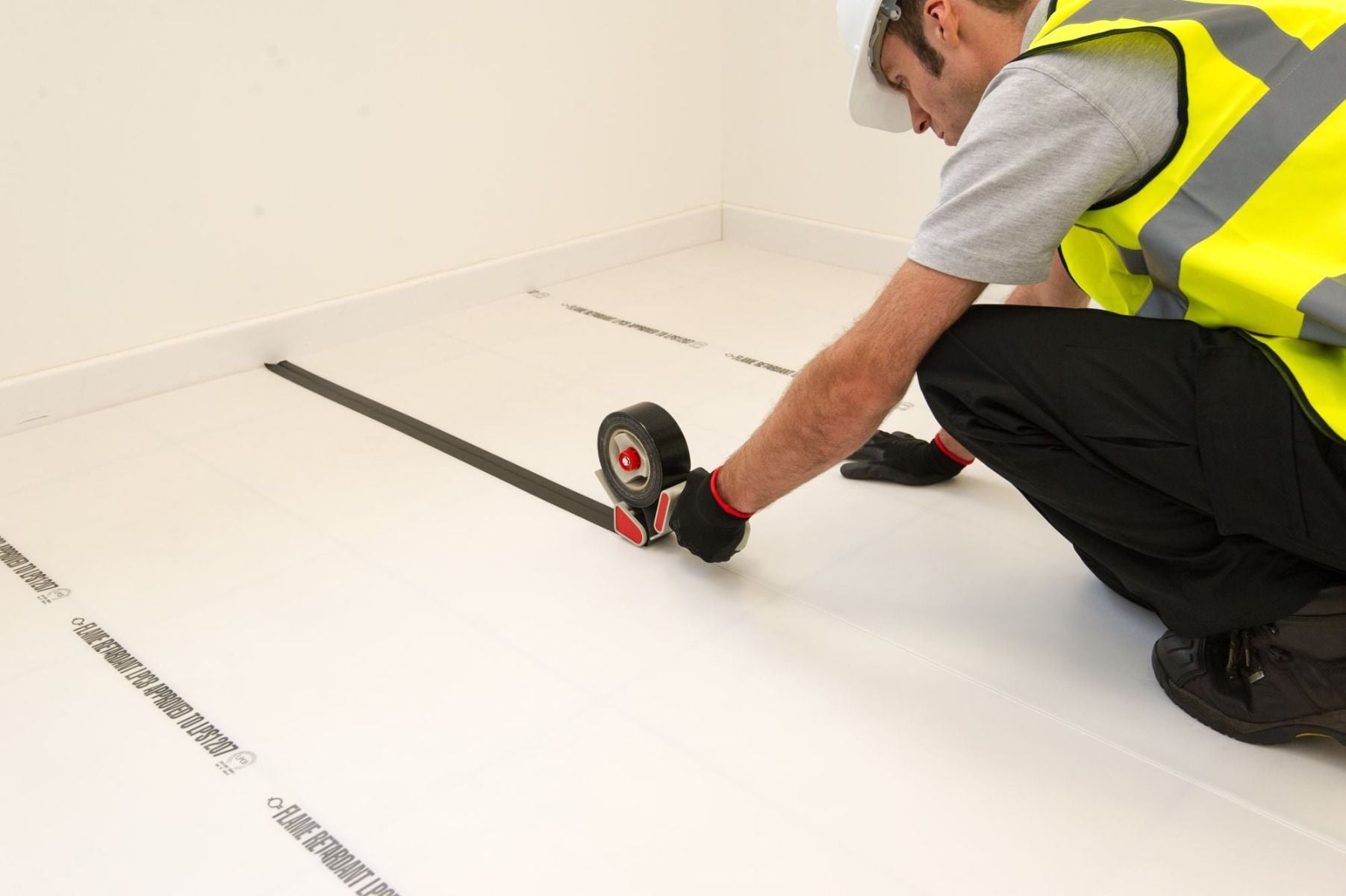
Without temporary floor protection, you run the risk of causing damage to the historic floors of your listed building as accidents, drops, and spills are not rare occurrences when building works are carried out. Further still, foot traffic can cause its own damage, especially during wet weather. As a result, utilising products that can protect the floor, such as card floor protection, correx protection boards, and woven polypropylene will be important.
READ ALSO: How to lay a new floor without causing any damage
Stair protection
Much like floors, stairs are in danger of drops, spills, and foot traffic during any type of building project. As a result, kitting out the building with adequate stair protection will help provide listed building protection. Stair protectors, for example, can keep stair treads safe from damage, while foam handrail protectors and rigid stair edge guards will provide additional, robust protection during the work.
READ ALSO: What is the Joint Fire Code and what does it mean?
Protecting listed buildings
We hope this guide has been informative. If you need any temporary protection products during your next project, we have the solution for you. From rubble bags to polythene sheeting, it’s all here at Proguard.
For more tips, guides, and advice, make sure to visit our news page.